

By Chris Musekiwa
India House, at 90 Mbuya Nehanda Street (formerly Victoria Street) in Harare, was built in 1903. It once housed 15, 16-horsepower engines that powered the Argus Printing & Publishing Co Ltd presses for the Rhodesia Herald next door (originally Herald House).
Over time, India House and the former Herald House fell into disrepair. About four years ago, India House was refurbished with beige tile cladding, giving it a cleaner, more modern look and improving the streetscape along Mbuya Nehanda Street.
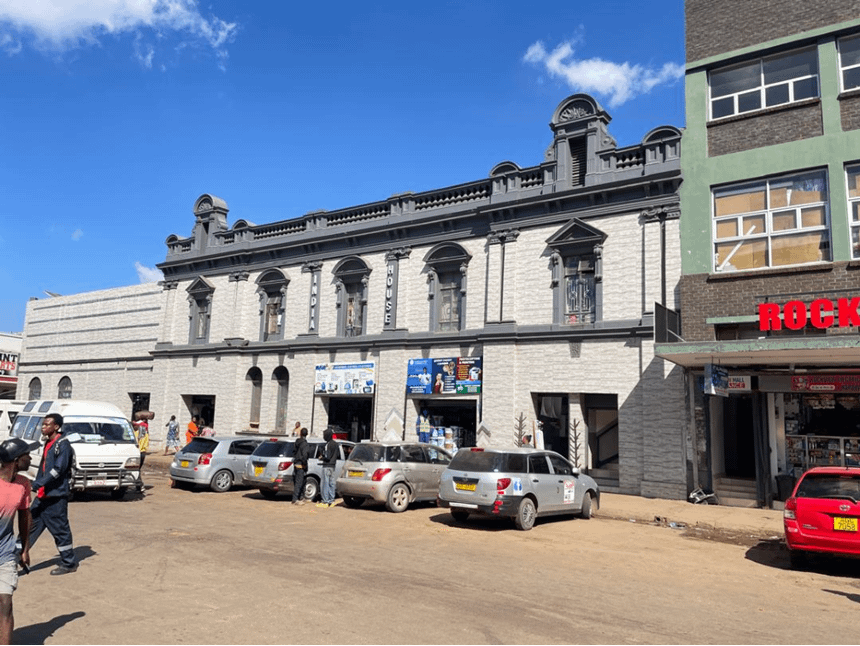
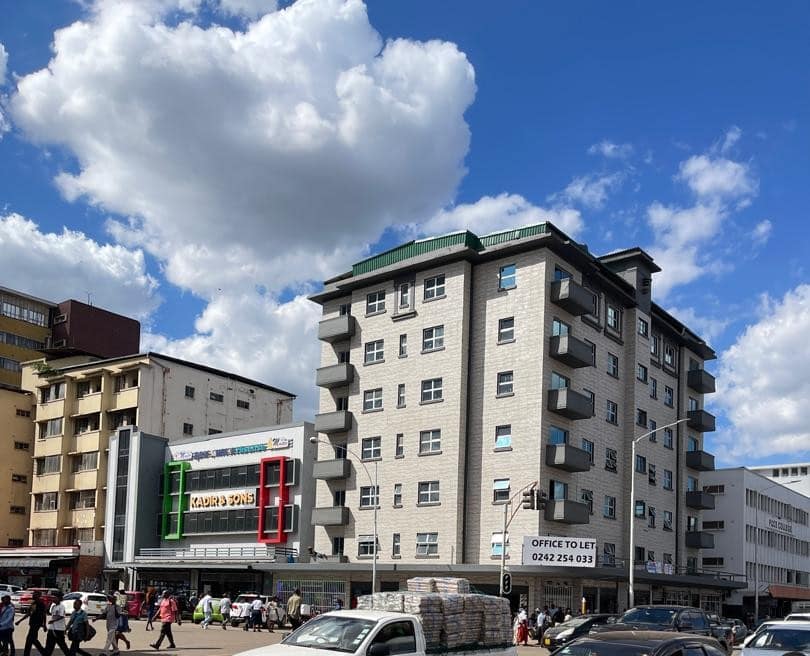
The upgrade appears to have encouraged similar makeovers in Harare’s Central Business District. Barts House, at the corner of Jason Moyo Avenue and Leopold Takawira Street, has also been clad with tiles after years of looking worn out. A fresher exterior can boost confidence among tenants, customers, and investors.
With these visible improvements, there is growing anticipation that more ageing buildings in Harare, and in other cities in Zimbabwe, will be upgraded through tile cladding or architectural additions such as glass curtain walls and new façades. A local example is Insurance House at 30 Samora Machel Avenue, refurbished about 15 years ago using aluminium and glass.
Green building technologies are also influencing new projects, with designs that improve energy efficiency, conserve water, and use more sustainable materials. One example is the Afreximbank Mall development in Harare’s Greenwood Park area. More modern technologies are being applied on new buildings coming up in other areas of Harare such as Borrowdale, Highlands, Newlands, Mount Pleasant and others.
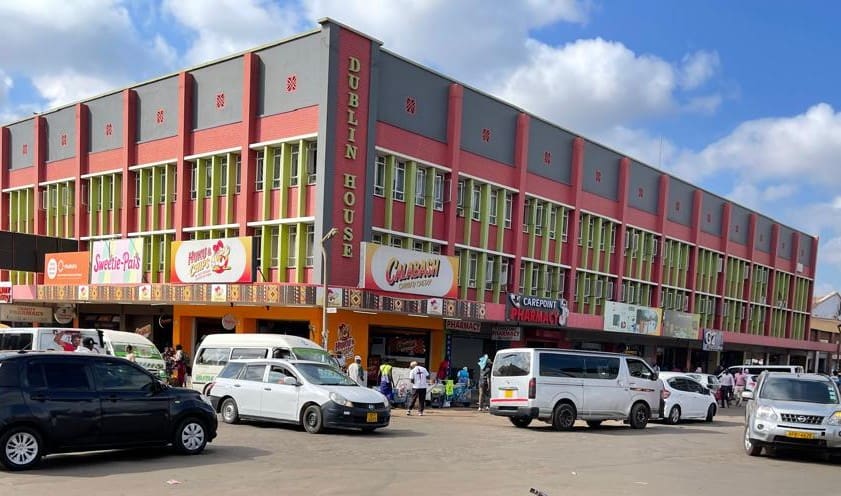
Painting and protective coatings remain a cheaper option for many property owners, offering quick improvements in appearance. Dublin House on Mbuya Nehanda Street, for instance, was refreshed with a mix of dark and bright colours.
Sun louvers and external shades suit many African climates where direct sunlight raises indoor temperatures. With Zimbabwe’s abundant sunshine, these features can improve comfort by reducing heat gain while adding a strong linear design element to a building’s exterior.
While still emerging locally, photovoltaic (solar) panels are increasingly being integrated into buildings as both an energy source and a visible signal of sustainability. Over time, such technologies may shape construction trends and enhance the streetscape of towns and cities in Zimbabwe.
While a few property owners in Harare’s CBD are improving their buildings, more buildings still need attention. City of Harare’s Chief Architect, Architect Tobias Chombe, said some buildings remain poorly maintained and dilapidated.
“Some CBD buildings remain dilapidated, poorly maintained, and visually deteriorating. City by-laws mandate property maintenance, compelling owners to upgrade, repair, or redevelop non-compliant structures promptly,” he said.
He added that before undertaking improvements that increase the weight on the structure, there is a need for owners to assess the structural integrity of the buildings.
“Owners must undertake structural integrity assessments before cladding works to avoid compromising load capacity. Modernization through cladding, glazing, shading systems, and repainting is revitalizing streetscapes, enhancing property values, improving investor confidence, and transforming Harare’s CBD,” said Architect Chombe.
Registrar of the Estate Agents Council, Mr. Alex Chidindi, said that the ongoing modernization of buildings in Harare is a positive and necessary development for the real estate sector.
He notes Harare’s environment is shifting from outdated, underused, and poorly maintained structures to more functional, attractive, and investment-ready properties.
“Modernizing buildings benefits the real estate chain. For owners and developers, upgrades boost asset value, rental potential, and market competitiveness,” said Mr. Chidindi.
He notes that modern buildings increase demand for professional services like valuation, leasing, tenant placement, maintenance, and investment advice among estate agents, valuers, property managers, and facility managers.