
By Tserayi Machinda
Twenty local authorities from across Zimbabwe recently participated in a two-day workshop under the Good Governance in Local Authorities Programme (GGLA). The Programme is aimed at strengthening leadership, enhancing service delivery, and fostering stronger partnerships within local government institutions.
The workshop brought together Town Clerks and Chief Executive Officers (CEOs) who serve as the administrative heads of urban and rural local authorities, to reflect on current governance practices, exchange experiences, and identify practical solutions to common challenges affecting local government performance.
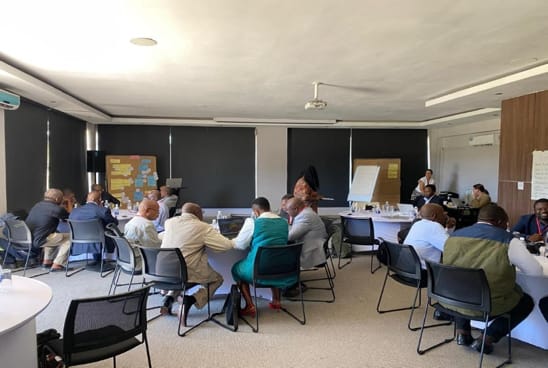
The meeting provided a unique platform for peer learning and knowledge sharing, allowing participants to showcase successful management approaches that have contributed to improved efficiency, accountability, and responsiveness in service delivery. Through interactive discussions, presentations, and case study reflections, local authority leaders explored innovative strategies for enhancing institutional performance and citizen satisfaction.
A key focus of the workshop was strengthening collaboration between elected leadership and administrative management structures. Participants discussed the importance of fostering constructive working relationships, clear communication channels, and shared accountability mechanisms to ensure that councils effectively meet the needs of their communities.
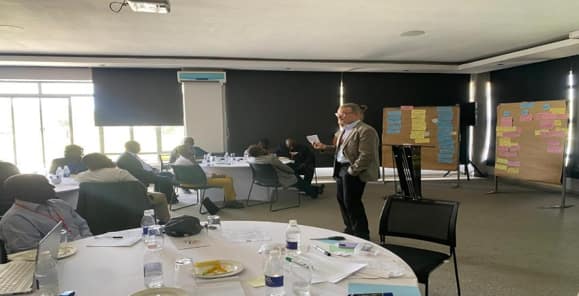
The workshop also examined emerging governance issues affecting local authorities, including resource mobilisation, financial management, citizen engagement, transparency, and the use of data-driven decision-making. Participants reflected on lessons learned from their respective councils and identified opportunities for replication and adaptation of successful practices across local authorities.
During the workshop, participants emphasized the value of creating platforms that encourage continuous learning and professional exchange among local government leaders. They noted that such engagements help build a common understanding of governance standards while promoting innovative solutions to service delivery challenges.
However, participants bemoaned the non-functioning of Associations’ forums that are critical in peer-to-peer learning and exchange of best practices. They called upon the local government associations to engage with the Ministry of Local Government and Public Works to agree on a workable schedule for utilizing these very essential institutional governance structures for the implementation of all government policies.
The workshop concluded with a commitment by participating local authorities to strengthen partnerships, promote good governance principles, and implement actionable improvements within their institutions. Participants agreed to maintain ongoing collaboration and knowledge-sharing networks that will support continuous improvement and contribute to the delivery of quality services to citizens.